
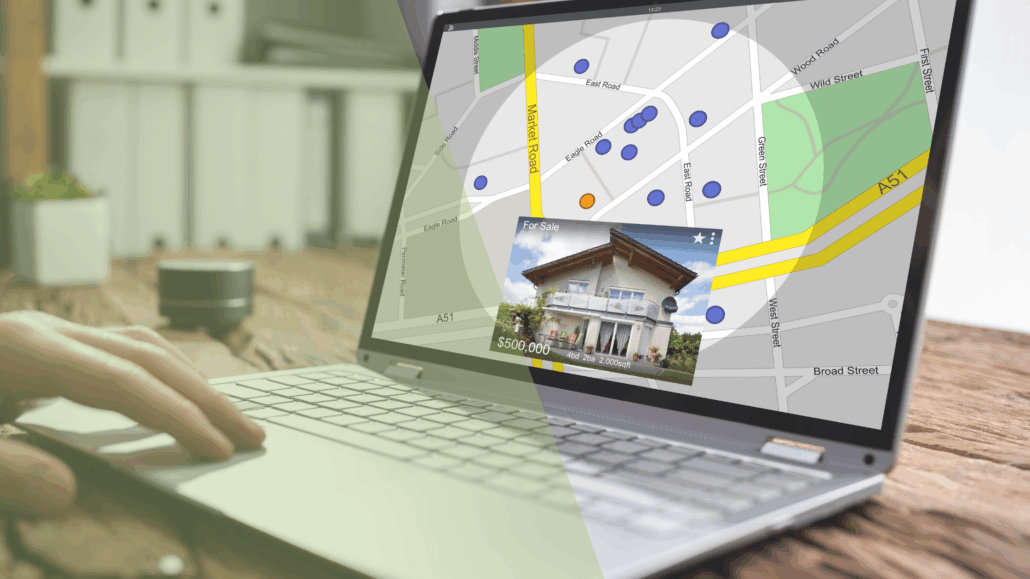
IDX Real Estate Mobile Performance: Convert More Leads on Any Device
Look around. How many people are on their phones right now? If you’re a real estate agent, the answer should be a wake-up call. More than half of all property searches don’t start on a laptop, but on a smartphone. For agents, the mobile shift to IDX real estate search changes everything.
Your website’s Integrated Data Exchange (IDX) feed is the engine that powers your property listings. If that engine sputters on a mobile device, potential leads disappear in an instant.
Slow-loading pages, clunky maps, and tiny buttons frustrate users and send them straight to your competitors. A fast, clear, and easy-to-navigate mobile experience isn’t just a nice-to-have; it’s the foundation of modern real estate lead conversion. To stay competitive, your IDX real estate website must deliver an optimized experience for users on all devices, ensuring performance, stability, and reliability.
This guide explores why IDX mobile performance is critical for your real estate business.
Introduction to Internet Data Exchange
The Internet Data Exchange (IDX) is a cornerstone technology in the real estate industry. It allows real estate agents to showcase Multiple Listing Service (MLS) listings directly on their own websites.
With IDX integration, agents can offer potential clients a seamless home search experience without redirecting them to a local MLS site or third-party platform. This not only keeps visitors engaged on the agent’s website but also positions the agent as a go-to resource for up-to-date property data and listings.
By leveraging IDX technology, real estate professionals can expand their online reach, attract more potential clients, and strengthen their real estate business.IDX is essential for agents who want to provide a comprehensive, user-friendly search experience and stand out in their local market.
Top tip: With IDX integration, agents have the ability to showcase listings, generate leads, and strengthen their online presence.
What Is “Good” IDX Mobile Performance?
Good IDX mobile performance means your website delivers a seamless property search experience on any device, especially smartphones. It’s about more than just having a site that shrinks to fit a smaller screen. It combines speed, usability, and responsive design to meet the expectations of on-the-go buyers.
Here’s what that looks like in practice:
- Fast Load Speed: Listings, photos, and maps appear almost instantly.
- Smooth Map Search: Users can easily pinch, zoom, and filter properties without lag.
- Tap-Friendly Navigation: Buttons and links are large enough to be tapped accurately with a thumb.
- Quick Access to Photos and Details: Buyers see vital information like price, beds, baths, and high-quality images without endless scrolling.
- Responsive Layouts: The site automatically adjusts to look great and function perfectly on any screen size, from a small phone to a large tablet.
For real estate websites, this matters because most buyers start their search on mobile. A strong mobile IDX experience builds trust and keeps potential clients engaged from their very first click.
How Does Mobile Speed Impact Lead Conversion?
Speed is everything. A slow-loading IDX page is one of the biggest roadblocks to lead generation. When visitors have to wait for listings to appear, they don’t stick around. They bounce before the page even finishes loading, meaning they never get a chance to save a search, request a showing, or sign up for alerts.
On the other hand, a fast mobile IDX platform directly translates into more leads. When property details and photos load instantly, users are more likely to engage with your site.
A fast mobile experience leads to:
- More saved listings and favorite properties.
- More requests for in-person or virtual showings.
- More signups for new listing and price change alerts.
- Higher overall lead form submission rates.
Mobile-first users have been conditioned by apps and major websites to expect instant results. The faster your property detail pages load, the higher your registration and conversion rates will be. Even a one-second delay can cause a significant drop in leads.
How Mobile Responsiveness Improves the IDX Real Estate Experience
A responsive website adapts its layout to the user’s device, but a truly mobile-friendly experience goes deeper. It rethinks the entire search process for a smaller, touch-based interface.
By analyzing user behavior and feedback, you can continually refine the mobile IDX experience to improve usability and boost engagement.
Easy Photo Browsing
Buyers want to swipe through high-resolution images quickly and smoothly. A mobile-optimized IDX ensures photos are compressed for fast loading without sacrificing quality. The gallery should be intuitive, allowing users to swipe, zoom, and see every detail of a home effortlessly.

Simplified Forms for More Leads
Filling out long forms on a phone is a pain. To maximize lead capture, mobile forms must be short and simple. Ask only for essential information, like a name, email, or phone number. Use large input fields and clear calls to action to make submission frictionless. The easier it is to fill out a form, the more leads you will generate.
Map Search Designed for Scrolling
Desktop map searches rely on a mouse and keyboard, but mobile users navigate with their thumbs. A great mobile IDX features a map designed for touch, with intuitive pinch-to-zoom functionality and easy-to-tap filter buttons. Users should be able to draw custom search areas and adjust criteria without frustration.
Instant Access to Information Buyers Care About
When a user clicks on a listing, they expect to see the most important information immediately. Key details like price, address, number of bedrooms and bathrooms, and the primary photo should be visible “above the fold” without requiring any scrolling. Hiding this information forces users to work harder and increases the chance they’ll leave.
Desktop vs. Mobile IDX Performance at a Glance
While the goal is the same on any device—connecting buyers with homes—the user experience is fundamentally different. This table breaks down the key performance factors.
| Performance Factor | Desktop Experience | Mobile Experience (via IDX mobile app) |
Impact on Leads |
|---|---|---|---|
| Load Speed | Fast is expected | Must be instant | Direct impact on conversion |
| Navigation | Click-based with menus | Tap- and swipe-driven | Poor design causes drop-offs |
| Photos | Can display large files | Need compression for speed | Faster photos = higher engagement |
| Forms | Multi-step forms are okay | Must be short and simple | Short forms generate more leads |
| Map Search | Full-featured layout | Needs a mobile-first design | Clunky design loses users |
How Google Uses Mobile Speed to Rank Your IDX Website
Google’s algorithm prioritizes the user experience, and a huge part of that is mobile performance. With its mobile-first indexing policy, Google primarily uses the mobile version of your website to evaluate and rank your pages.
This means the speed and responsiveness of your mobile IDX pages directly impact your real estate SEO. A fast, well-optimized mobile site sends positive signals to Google, helping your market reports, community pages, and individual listings rank higher in search results. On the other hand, a slow or clunky mobile site will lower your visibility, making it harder for potential clients to find you organically. In short, if your site isn’t fast on a phone, you’re fighting a losing battle for search engine traffic.
Common Mobile IDX Issues (and How to Fix Them)
Many real estate websites suffer from the same mobile performance problems. Fortunately, most of them are fixable.
- Uncompressed High-Resolution Photos: Large image files are the number one cause of slow load times.
- Fix: Use an IDX provider that automatically compresses images. Implement lazy loading so photos load only as a user scrolls down the page.
- Clunky Map Search: Maps that are difficult to use on a touchscreen frustrate buyers.
- Fix: Choose an IDX platform with a map search built specifically for mobile devices.
- Intrusive Pop-Ups: Pop-ups that cover the entire screen can make a site unusable on mobile.
- Fix: Use subtle, less intrusive banners or “exit-intent” pop-ups that only appear when a user is about to leave.
- Forms Not Sized for Small Screens: Forms that require users to pinch and zoom are a conversion killer.
- Fix: Ensure your forms are responsive and use large, easy-to-tap fields.
- Slow Servers or Poorly Optimized IDX Widgets: Your hosting and your IDX provider play a huge role in your site’s speed.
- Fix: Invest in high-performance hosting and choose a mobile-first IDX provider known for speed.
- Regular Bug Fixes, Performance Boosts, and Stability Improvements: Ongoing software updates are essential for maintaining app reliability and overall app reliability. Updates should include bug fixes, performance boosts, and stability improvements to resolve crashes and address data delay issues, ensuring a seamless and responsive user experience.
How IDX Mobile Performance Affects Lead Follow-Up
A fast mobile experience doesn’t just help you generate more leads; it helps you generate smarter leads. The data collected from an engaged mobile user provides invaluable insights for an agent’s follow-up strategy.
Here’s the chain of events: a fast-loading page leads to more user engagement. More engagement produces more behavioral data, which feeds directly into your CRM.
Strong mobile performance increases signals like:
- Saved searches and favorite properties.
- Signups for property alerts.
- Repeat views of specific listings.
- Price tracking and market updates.
These signals tell you exactly what a lead is interested in, allowing you to prioritize high-intent buyers and tailor your outreach. An agent can see that a lead just saved three 4-bedroom homes in a specific neighborhood and immediately follow up with a personalized message.
Real Estate Agent Tools
In the modern market, real estate agents have access to many powerful tools that improve their business and deliver a better experience for clients.
IDX integration is at the heart of these tools, enabling agents to offer advanced home search features and up-to-date listings on their websites.
In addition, CRM platforms like iHomefinder help agents manage client relationships and track interactions, while marketing automation software simplifies outreach and follow-up. Social media and email marketing platforms allow agents to share valuable insights and keep clients informed about the latest trends in the real estate market. By combining these tools, agents can optimize their workflow, generate more leads, and build lasting relationships with their clients, ensuring long-term success in the real estate industry.
Why iHomeFinder Leads in IDX Mobile Performance
At iHomeFinder, we build our IDX solutions with a mobile-first philosophy. We are continuously working to introduce new features and enhancements to our IDX platform, ensuring it evolves to meet the needs of today’s real estate professionals. We understand that your success depends on converting mobile traffic into qualified leads.
Our platform is engineered for speed and usability on any device, featuring:
- Mobile-first IDX search designed specifically for small, touch-based screens.
- Fast-loading property pages with automatically optimized photos and structured data.
- Responsive templates that adjust seamlessly to any phone or tablet.
- Instant property alerts optimized for mobile email click-through.
- Seamless CRM sync that includes detailed mobile behavior tracking.
- High-performance hosting to ensure your pages load faster than the competition.
Recent update focuses have included performance improvements, bug fixes, and stability enhancements, resulting in an enhanced user experience with faster, more reliable app functionality.
iHomefinder’s IDX solutions are a game changer for real estate agents looking to maximize mobile lead conversion.
Frequently Asked Questions
Why is IDX mobile performance important?
IDX mobile performance is important because most home buyers use their phones to search for properties. A fast, user-friendly mobile IDX website generates more leads, improves engagement, and gives you a competitive edge.
Does mobile speed affect real estate SEO?
Yes, absolutely. Google uses mobile-first indexing, meaning it ranks your website based primarily on its mobile performance. A faster mobile site will help your IDX pages rank higher in search results.
What makes an IDX website mobile-friendly?
A mobile-friendly IDX website features fast loading times, responsive layouts that adapt to any screen, an easy-to-use mobile map search, and simple, tap-friendly forms.
How can I improve my IDX mobile speed?
To improve your IDX mobile speed, use a mobile-first IDX provider, ensure images are compressed, reduce unnecessary scripts, and choose a high-performance hosting plan.

