

Can You Build a Real Estate Website Without IDX? (Pros & Cons)
It’s a question that crosses almost every agent’s and real estate professional’s mind when they start building their online presence. Can you launch a real estate website without integrating an Internet Data Exchange (IDX) feed?
The short answer is yes. You technically can.
The more important question, however, is whether you should. In an industry dominated by massive portals, your website is your only piece of digital real estate that you fully own.
By choosing to build a site without property search capabilities, you are making a specific strategic choice. You are prioritizing a static brand presence over a dynamic tool for business growth.
For some agents and real estate professionals, that trade-off makes sense. For most, it creates a ceiling on how much their business can grow. In today’s competitive market, many real estate professionals are looking beyond IDX Broker for platforms that better support lead generation and website customization needs. This guide explores exactly what you gain—and what you lose—by building a real estate website without IDX.
What Does IDX Do on a Real Estate Website?
IDX, or Internet Data Exchange, is the software connection that allows agents to display up-to-date MLS listings directly on their own websites. IDX integration provides direct MLS connectivity, ensuring real-time, accurate listing data.
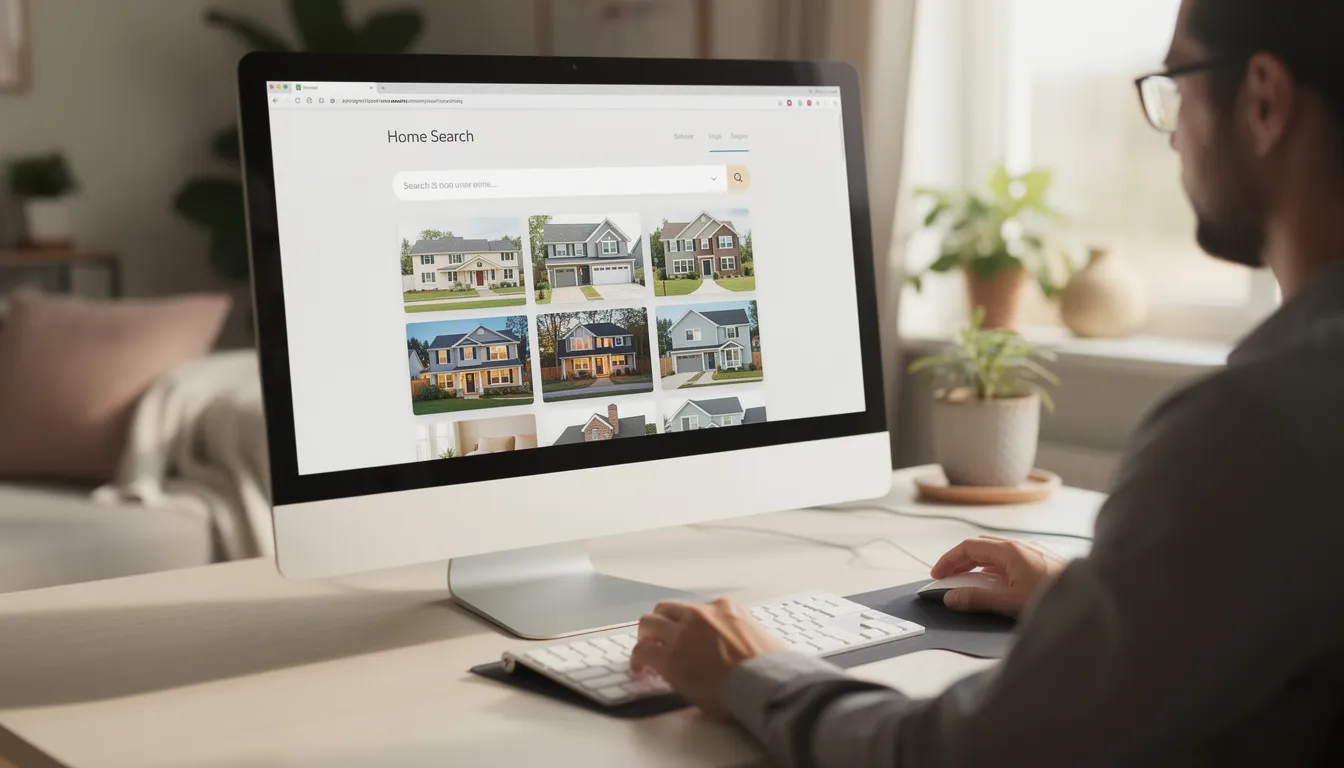
When a website has IDX, it transforms from a digital business card into a utility. It enables:
- Real-time property search: Buyers can see active listings directly on your domain.
- Automated updates: Price changes, status updates (like “Under Contract”), and new listings appear automatically.
- Lead capture: Features like saved searches, email alerts, and “favorite” properties require IDX data to function.
- Enhanced functionality: The choice of IDX plugin and IDX provider can impact your website’s features, customization options, and support. Popular IDX plugins like Showcase IDX and iHomefinder offer different capabilities, and selecting the right IDX provider is crucial for flexibility and future upgrades.
Seamless MLS/IDX integration and direct MLS feeds with frequent refresh intervals are essential for effective IDX websites, ensuring your listings are always accurate and up to date.
In the past, having property search on a personal agent site was a nice bonus. Today, consumer expectations have shifted. Buyers expect to find inventory data immediately. If they can’t find it on your site, they know exactly where to go to get it.
What Is a Real Estate Website Without IDX?
A real estate website without IDX is often called a “brochure site.”
Its primary function is to validate your credibility, not to facilitate a transaction. These sites typically feature:
- A biography and professional headshots.
- Agent image and branding elements, with professional web design helping agents stand out in competitive markets.
- Descriptions of services for buyers and sellers.
- A contact form.
- A blog or resource section.
- A “Featured Listings” page where the agent manually uploads photos and details of their own few listings.
If a visitor wants to search for other homes, these websites usually provide a button that says “Search for Homes,” which links out to a third-party portal like Realtor.com or Zillow.
User-friendly real estate website builders and customizable templates allow agents to create attractive, unique, and professional websites that match their branding and lead generation goals—without needing to learn coding or complex software.
While these sites can look visually stunning and professional, they lack the utility that keeps active buyers engaged.
Cons of a Real Estate Website Without IDX
While the upfront savings of a non-IDX site are appealing, the long-term costs to your business are significant.
Without IDX-powered property listings, your website lacks comprehensive property details, high-resolution photos, and advanced search options that increase engagement and improve user experience.
Sending traffic to third-party portals also means you lose the ability to nurture leads and increase engagement on your own site, as you cannot capture visitor information or follow up directly.
Additionally, IDX websites help nurture leads through automated follow-up and lead generation features, which are essential for converting visitors into clients. Without these, you miss out on valuable opportunities to build relationships and grow your client base.
1. No Property Search = No Reason to Stay
The primary reason a potential client visits a real estate website is to look at real estate. If a buyer lands on your site and cannot browse homes, they have no reason to stay.
User attention is fragile. If you force a user to click away to find the information they actually want, you are voluntarily increasing your bounce rate.
2. You Send Traffic to Portals
The most dangerous aspect of a non-IDX site is where you send your traffic.
Most brochure sites include a link to third-party portals for property search. When you link a national portal, you could be handing them over to your biggest competitors. These portals are designed to capture leads and sell them to paying agents.
Once your client is on a portal, they are bombarded with ads for other realtors. You lose visibility into what they are looking at, and you lose the ability to control the brand experience.
By sending visitors to third-party portals, you also lose the opportunity to nurture leads and increase engagement on your own website.
3. Limited Lead Capture and Follow-Up
Modern lead generation relies on behavioral data. When a user searches on an IDX-enabled site, the system tracks:
- Which neighborhoods they are viewing.
- Their price range.
- How frequently they visit.
- Which specific properties they favorited.
A website without IDX cannot capture this data.You can’t set up automated email alerts for new listings (a high-converting email type in real estate), because you don’t have the listings to send.
Additionally, IDX websites provide lead generation features and automated follow-up tools that help nurture leads and convert website visitors into clients.
4. Weaker SEO and Content Potential
Search Engine Optimization (SEO) relies on having relevant, indexable content.
IDX websites with a built-in SEO framework, SEO-friendly URLs, and custom meta descriptions help agents rank well on search engines and attract more organic traffic. Integrated marketing capabilities, such as landing pages for ad campaigns and hyper-local content, support broader marketing efforts and enhance lead generation.
An IDX feed automatically creates thousands of pages on your site—one for every listing and one for every neighborhood or condo building in your market. These pages create opportunities to rank for “long-tail” keywords like “3 bedroom homes in [Neighborhood] under $500k.”
To rank on Google, you would need to write an immense amount of blog content to make up for the lack of listing pages. It is significantly harder to build “topical authority” without the actual inventory data.
5. Hard to Compete Long-Term
Top-producing teams and agents almost universally use IDX websites. They do this because it creates a scalable asset.
A non-IDX site caps your growth. It requires you to be the manual bridge for everything. If a client wants to see a home, they have to text you. If they want to see what’s new on the market, they have to check Zillow. You are removing yourself from the center of the transaction process.
When Does a Non-IDX Real Estate Website Make Sense?
Despite the drawbacks, there are specific scenarios where skipping IDX is the right move (at least, temporarily):
- The Pre-Launch Phase: If you are a brand new agent and need a digital presence today while you wait for MLS approval, a brochure site could be a temporary fix.
- The “Celebrity” Speaker: If your primary business is speaking, coaching, or media appearances rather than selling homes, your site should focus on your personal brand, not property search.
- The Hyper-Niche Agent: If you only sell homes in one specific condo building or gated community, you might be able to manually manage those listings without a full feed.
For almost everyone else—especially those actively working with buyers—IDX search is essential infrastructure.
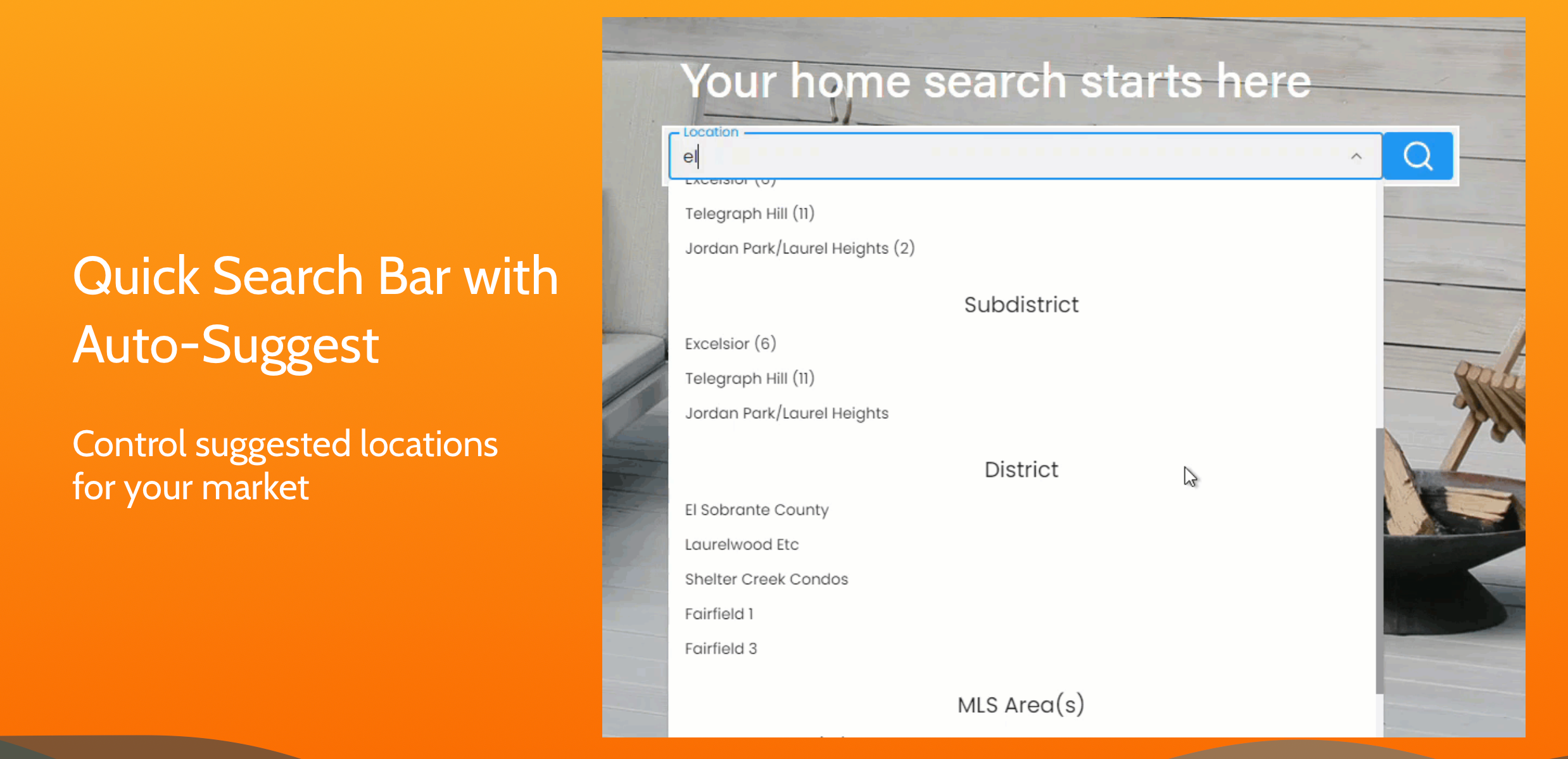
Why Do Modern Real Estate Websites Need IDX?
To succeed in today’s market, you need to view your website as a business asset, not just a marketing brochure. IDX websites provide powerful tools for real estate professionals to showcase property listings, generate leads, and manage their business efficiently.
Buyers crave data and independence. They want to be able to scroll through listings at 10 PM on a Tuesday without having to call an agent. By providing that data via IDX, you earn the right to ask for their contact info. A well-built IDX real estate website acts as a 24/7 digital agent, showcasing listings and converting visitors into leads.
IDX turns your website into:
- A destination: A place clients return to daily.
- A dilter: A tool that separates serious buyers from window shoppers based on their search activity.
- Owned territory: A platform where you control the data, the branding, and the client relationship, without leasing it from a portal.
Analytics and performance tracking are also essential, helping agents understand user engagement and continually improve the effectiveness of their IDX website.
iHomefinder Helps Agents Succeed With IDX
If the technical hurdle of IDX is what’s stopping you, solutions like iHomefinder bridge the gap. As a leading IDX provider and a comprehensive IDX Broker competitor, iHomefinder stands out for its integrated platform that combines IDX functionality with a robust CRM system.
iHomefinder isn’t just about putting listings on a page; it’s about creating a search experience that competes with the big portals. It offers:
- MLS-Compliant Accuracy: Data that updates constantly, so your clients aren’t looking at homes that sold three weeks ago.
- Polygon Search & Interactive Maps: Flexible search tools that match how modern buyers actually browse.
- Intelligent Lead Capture: Registration prompts that trigger at the right moment, converting anonymous traffic into tangible leads.
- CRM Integration: Activity data flows directly into your follow-up systems, so you know exactly when to call a prospect.
When comparing IDX providers, consider your business needs and the unique features each platform offers. Choosing the right IDX provider gives you the flexibility to upgrade or swap platforms as your web and lead generation strategies evolve.
Top takeaway: It allows you to own the search experience, rather than outsourcing it.
Final Verdict: Can You Build a Real Estate Website Without IDX?
Yes, you can build a real estate website without IDX. But in doing so, you majorly limit your ability to engage buyers, capture leads, and grow your business online.
IDX-enabled websites are optimized for all screen sizes, making mobile responsiveness a requirement since a significant portion of traffic comes from mobile devices. They also support paid ads, offering features like ad campaign landing pages and social sharing options to enhance lead generation and visibility.
Additionally, non-IDX site is a digital business card. An IDX site is a digital office. In a market where buyers demand instant access to data, providing that access isn’t just an option—it’s the foundation of a modern real estate business.
Build a Website That Actually Works for You
Don’t settle for a website that looks good but can’t reap the benefits of visibility and lead generation. Turn your online presence into a growth engine. iHomefinder provides all the tools you need to increase engagement and grow your real estate business online.
Request a demo with iHomefinder today to see how premium IDX can transform your website into your most valuable business partner.

