

If you’re a real estate professional looking to capture more leads and build authority in your local market, prioritizing an IDX website should get a top spot on your to-do list.
This guide breaks down everything you need to know—from core features and MLS integration to lead capture systems that actually convert visitors into clients.
What is an IDX Website?
An IDX website is a real estate site that connects directly to MLS data, allowing visitors to search live property listings in real time. Instead of displaying static information, these sites pull fresh listing data multiple times per day from local U.S. and Canadian MLSs, giving buyers and sellers access to the same information that agents see.
IDX stands for “Internet Data Exchange”—a framework of policies, technical standards, and software that enables brokers and agents to legally display each other’s listings on their own domains. When you participate in IDX, you consent to show other participants’ listings on your site, and they do the same for yours.
The contrast between a generic brochure site and a modern IDX website is significant:
| “Brochure” Site | IDX Website |
|---|---|
| Static pages about the agent | Live property search functionality |
| Contact form only | Multiple lead capture points |
| Visitors leave to search elsewhere | Visitors stay and engage |
| Limited SEO value | Indexable listing pages |
An IDX website as a 24/7 digital agent and lead capture hub that works while you sleep.
Common platforms where IDX is integrated include WordPress, Wix, Webflow, and custom real estate sites built specifically for brokerages.
READ MORE: What is WordPress IDX?
Benefits of an IDX Website for Real Estate Professionals
The right IDX website centralizes property search, brand storytelling, and lead capture into one always-on platform. Rather than sending traffic to somewhere like Zillow, you keep visitors engaged on your site where you control the entire process from first click to consultation.
Key business outcomes include:
- More organic traffic – Search engines index your listing pages, driving Google traffic for neighborhood and property type searches
- Longer session times – Interactive maps, saved searches, and detailed listings keep visitors exploring
- Higher lead conversion – Registration prompts tied to saved searches and alerts capture contact information naturally
- Better follow up opportunities – Behavioral data shows which properties and areas interest each lead
Consider how a solo agent or small team can compete with large portals in their local market. By focusing on a specific neighborhood or property type, many agents build beautiful real estate websites that outrank national sites for hyper-local searches. The key is combining IDX search functionality with unique local content.
Benefits extend to both sides of the transaction:
- Buyers gain saved searches, instant alerts for new listings, and a personalized experience
- Sellers see expanded exposure, market stats, and valuation tools that demonstrate the agent’s expertise
A strong real estate website becomes an asset that grows in value over time. As your content library expands and SEO authority builds, organic traffic compounds—generating leads without ongoing ad spend.
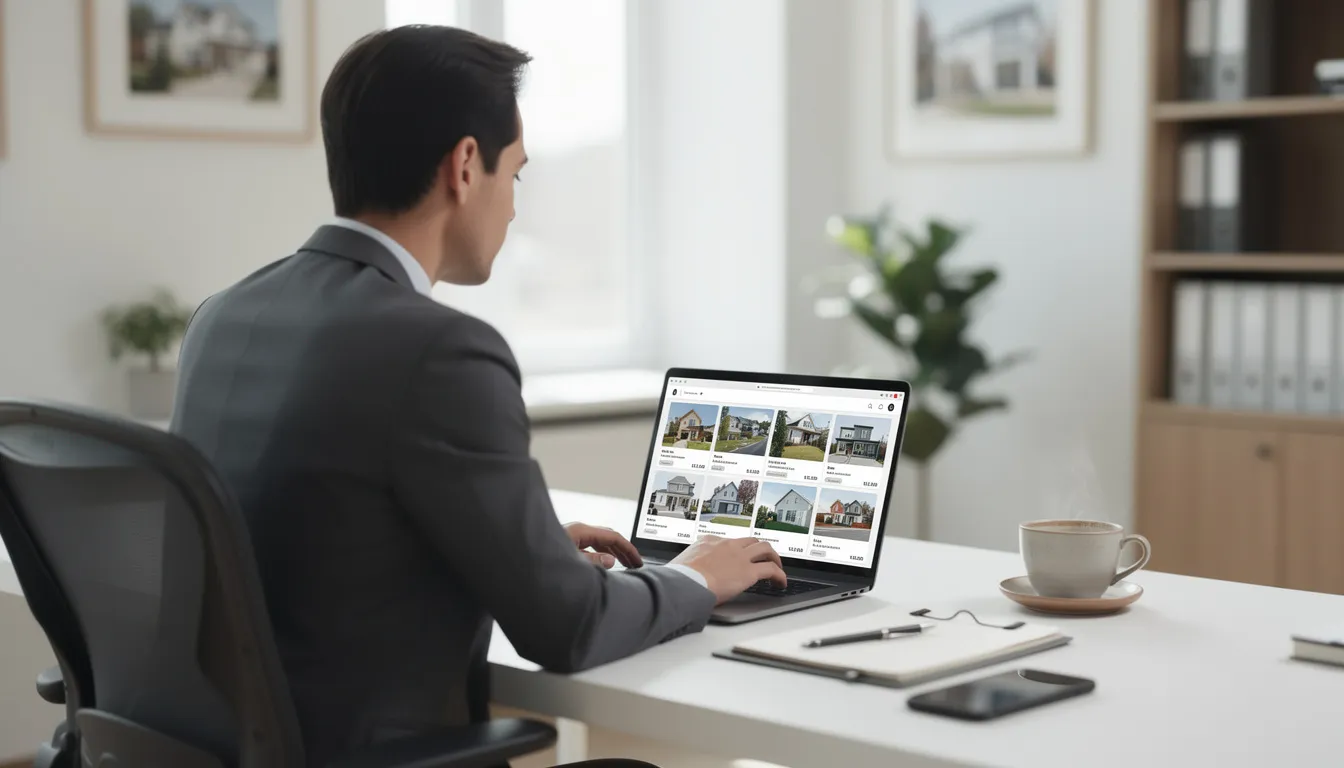
MLS / IDX Integration and Real-Time Listing Data
The quality of your MLS feed is the foundation of any IDX website. Without reliable, frequently updated data, your site loses credibility the moment a visitor finds an outdated listing.
Modern integrated IDX search pulls directly from your MLS with frequent refresh intervals—typically every 5 to 15 minutes for status and price updates where MLS rules allow. This means when a property goes pending or the price drops, your site reflects that change almost immediately.
Key technical considerations:
- Avoid iFrames and subdomains that create a disconnected user experience
- Listings should live directly on your domain for SEO benefits and brand consistency
- The seamless integration between your site design and listing display builds trust
Data points typically synced from MLS:
- High-resolution photos
- Beds, baths, and square footage
- Days on market
- Open house schedules
- Sold status and price history
- Virtual tours and 3D walkthroughs
- Property descriptions and features
Compliance matters across the entire process. Different MLS boards have varying rules about attribution, data display, and what information can be shown publicly. If you operate across multiple regions, your IDX website must respect each board’s requirements.
The reliability payoff is significant: no broken links, fewer outdated listings, and automatic updates when properties change status. Visitors learn they can trust your site—and trust converts to leads.
Custom Property Detail Pages and Single-Property Sites
Property detail pages are the “sales pages” of any real estate site. This is where casual browsers become serious buyers and where agents can showcase properties to their fullest potential.
Elements of a high-performing detail page:
- Large hero photos with gallery navigation
- Video walkthroughs or 3D virtual tours
- Floor plans and room dimensions
- Feature bullet lists highlighting key selling points
- Clear CTAs positioned throughout the page
Layout customization allows these pages to match your brand. Adjust colors, typography, agent bio snippets, and brokerage logos so every listing page reinforces your identity rather than looking generic.
Many IDX solutions automatically generate single-property landing pages for each active listing using MLS data. These pages serve as dedicated marketing assets for individual properties—perfect for sharing on social media or using in targeted advertising.
Effective CTAs for property pages:
- “Request a tour”
- “Ask a question about this property”
- “Download property flyer”
- “Share with a friend”
- “Get pre-approved”
Conversion-focused extras add significant value:
- Mortgage estimate widgets calculating monthly payments
- School ratings and neighborhood info
- Walkability and transit scores
- Similar listing suggestions to keep visitors exploring
These tools help buyers make informed decisions while keeping them on your site longer.

Lead Capture, Saved Searches, and Email Alerts
An IDX website should function as a lead generation engine, not just an online brochure. The difference is intentional design around capturing visitor information and nurturing those leads into clients.
Registration prompts work best when tied to user actions:
- Viewing multiple photos in a gallery
- Saving a property to favorites
- Accessing sold data or price history
- Creating a custom property search
The saved searches feature is particularly powerful. Visitors define their criteria once—location, price range, beds, baths—and receive automatic email alerts when new listings match. This creates ongoing engagement without requiring additional effort from you.
Alert configuration options typically include:
| Frequency | Best For |
|---|---|
| Instant | Hot buyers ready to act quickly |
| Daily digest | Active searchers monitoring the market |
| Weekly summary | Long-term planners and casual browsers |
Users can manage their preferences, update search criteria, and access saved favorites from any device by logging in. This convenience increases the value exchange and encourages registration.
The approach to registration matters. Well-timed, value-focused prompts convert better than aggressive pop-ups that interrupt the browsing experience. Offer something useful—saved searches, price drop alerts, exclusive market reports—rather than demanding information with nothing in return.
Great service starts with respecting visitors while still capturing the data you need to engage them effectively.
Hyper-Local Content and Community Pages
IDX functionality alone isn’t enough to differentiate your site. Unique, local content transforms your real estate website from a search tool into a trusted resource that visitors return to repeatedly.
Area and community pages should combine:
- IDX-powered listings for that specific neighborhood
- Original neighborhood descriptions and history
- Local photography showcasing the area’s character
- Insider tips that only a local expert would know
For example, a Seattle neighborhood page might include information about the best coffee shops, weekend farmers markets, annual street fairs, and which blocks have the best water views. This content keeps users engaged and signals expertise to search engines.
Content topics that resonate with buyers and sellers:
- School district overviews with ratings and enrollment info
- Commute time estimates to major employment centers
- Local business spotlights and restaurant recommendations
- Parks, recreation, and outdoor activities
- Annual events and community traditions
- Zoning information and development updates
Educational blog posts serve buyers and sellers throughout their journey:
- First-time buyer guides specific to your market
- Closing cost breakdowns by property type
- Local condo association rules and requirements
- Market update articles with your analysis
This content keeps visitors on your site longer, improving engagement metrics and demonstrating expertise. Include calls-to-action inviting readers to schedule consultations or download local buyer and seller guides.
Integrated Marketing, CRM Connections, and Automation
An IDX website should serve as the central hub of your entire real estate marketing stack. Lead data and visitor behavior flowing into connected systems enable automation that scales your business.
CRM integration benefits:
- Lead and activity data syncs automatically for immediate follow up
- Contact records enriched with search behavior and saved properties
- Automated follow up sequences triggered by specific actions
- Lead scoring based on engagement level
Marketing workflows that drive conversion:
| Trigger | Automated Response |
|---|---|
| New registration | Welcome email with saved search link |
| Saved property | Property-specific follow up |
| Price drop on saved listing | Alert notification |
| No activity for 14 days | Re-engagement email |
| Viewed multiple listings in area | Neighborhood market report |
Integrating social and ad campaigns becomes more powerful when traffic lands on IDX-powered landing pages with tracking pixels. You can create custom audiences based on which properties visitors viewed, then serve relevant ads across platforms.
Analytics integration through UTMs and conversion tracking reveals which channels generate the best leads. Compare performance across Google Ads, Facebook, Instagram, and email to optimize your marketing spend.
Even small teams can leverage automation to respond quickly and avoid missed opportunities. A properly configured system sends relevant information to prospects while capturing the data you need for personalized follow up—all without manual effort.
Signs Your Current IDX Setup Isn’t Enough
Upgrading doesn’t always mean you need IDX for the first time. In many cases, it means your current solution is no longer aligned with your goals.
As your business grows, the technology that once felt “good enough” can quietly become a bottleneck. If any of the scenarios below sound familiar, your IDX setup may be holding you back rather than supporting your growth.
Your Listings Live in an iFrame or Subdomain
One of the biggest red flags is when your property search lives on a separate subdomain (like search.yoursite.com) or opens inside an iFrame that feels visually disconnected from the rest of your website.
At first glance, this might not seem like a major issue. The listings display. Buyers can search. Everything technically works.
But underneath the surface, problems emerge.
Search engines may not properly index iFrame-based content, which means your listing pages and search results don’t contribute meaningful SEO value to your domain. Instead of building authority for your website, you’re essentially renting space.
From a user experience standpoint, the shift in layout, branding, or URL structure can create subtle friction. Visitors may feel like they’ve left your site entirely. That disconnect weakens trust — especially when buyers are making high-stakes financial decisions.
Your Search Experience Feels Slow or Clunky
Buyers today compare every real estate website to the national portals. That’s the standard.
If your search experience feels dated, slow to load, or difficult to navigate on mobile, visitors won’t hesitate to leave. And once they leave, they rarely return.
Modern buyers expect:
- Fast-loading search results
- Smooth, responsive map browsing
- A seamless mobile experience (ability to search anywhere from mobile devices)
- Intuitive filters that update instantly
- Smart keyword or “natural language” search options
If your filters reload the entire page, your map lags, or your mobile interface feels cramped and hard to use, engagement drops quickly.
Speed and usability aren’t just cosmetic improvements. They directly impact lead conversion. The longer someone comfortably explores listings on your site, the more likely they are to register, save properties, or request a showing.
If your current IDX experience feels behind what buyers are used to, upgrading isn’t about aesthetics — it’s about staying competitive.
You Don’t Capture Behavioral Data
One of the most powerful advantages of a modern IDX website isn’t just displaying listings — it’s tracking how users interact with them.
If your current system only captures a name and email from a contact form, you’re missing critical context.
You should be able to see:
- Which properties a lead viewed
- What neighborhoods they searched
- What price ranges they filtered
- How often they return
- What listings they saved
Without this insight, follow-up becomes generic. You’re forced to ask questions your website should already be answering.
Advanced IDX platforms track behavior automatically and sync it into your CRM. That allows you to send highly relevant follow-up messages, neighborhood updates, or property alerts that match actual buyer intent.
If you can’t see how prospects are engaging with listings, you’re operating with incomplete information — and that limits your conversion potential.
You Can’t Customize or Optimize Area Pages
Many basic IDX setups generate generic “Homes for Sale” pages that look identical to thousands of other sites using the same template.
These pages often lack:
- Custom page titles and meta descriptions
- Unique local content
- Internal links to related neighborhoods or blog posts
- Structured data markup
- Editable URL structures
As a result, they rarely rank well in search engines.
Hyper-local SEO is one of the most powerful long-term strategies for real estate professionals. But it requires control. You need the ability to create pages like “Homes for Sale in [Neighborhood Name]” that combine live IDX listings with original content and local insight.
If your current IDX platform doesn’t allow you to optimize these pages strategically, you’re leaving significant organic traffic on the table.
Upgrading to a more flexible IDX solution gives you the tools to build indexable, high-converting landing pages that compete — and win — in local search results.
Build a High-Converting IDX Website
An IDX website isn’t just about displaying listings—it’s about owning your traffic, capturing qualified leads, and building a long-term digital asset that grows with your business.
If you’re ready for seamless MLS integration, on-domain listings (no iFrames), powerful map search, behavioral tracking, and built-in lead capture that connects directly to your CRM, it’s worth seeing what a purpose-built solution can do.
Book a demo with iHomefinder to see how their integrated IDX, search tools, and automation features can help you turn your website into a consistent, compounding lead engine.